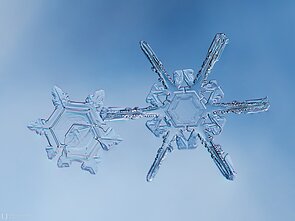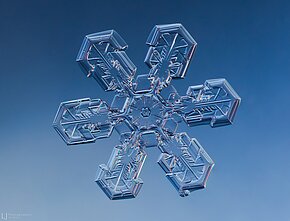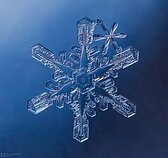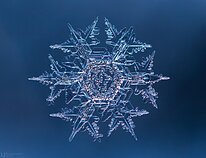















While many people may be tired of snow – especially the icy kind that makes sidewalks treacherous – few would deny the beauty of snowflakes when viewed up close.
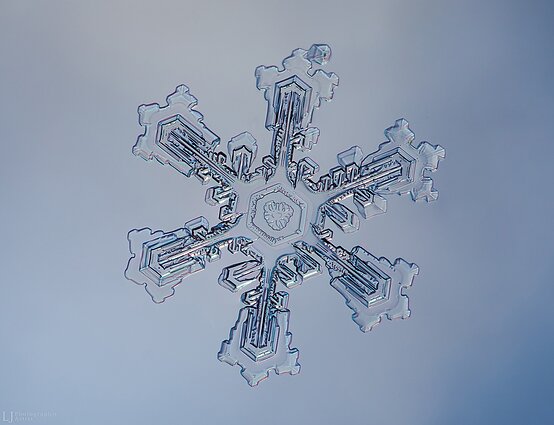
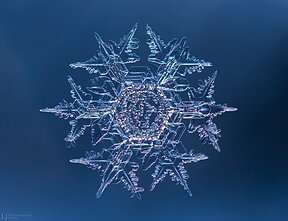
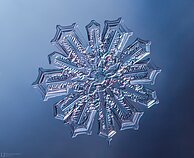
Lithuanian nature photographer Lukas Jonaitis has been drawing attention for his highly magnified images of snowflakes, revealing intricate structures invisible to the naked eye.
The photographer, whose images also capture spiders, slime moulds and other natural curiosities, turns his lens to snow during the winter months. After work, he often heads to his apartment balcony, where he photographs snowflakes that land on glass.
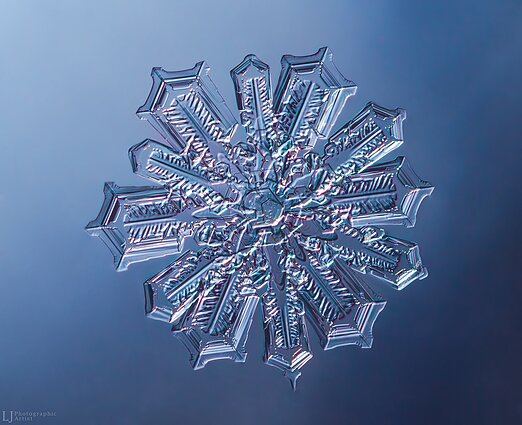
Mastering a specialised and technically demanding technique, Jonaitis captures the fragile crystals while kneeling on the balcony, working quickly before they melt or change shape.
Describing one of the smallest snowflakes he has photographed, Jonaitis said it measured well under 1 millimetre in diameter.
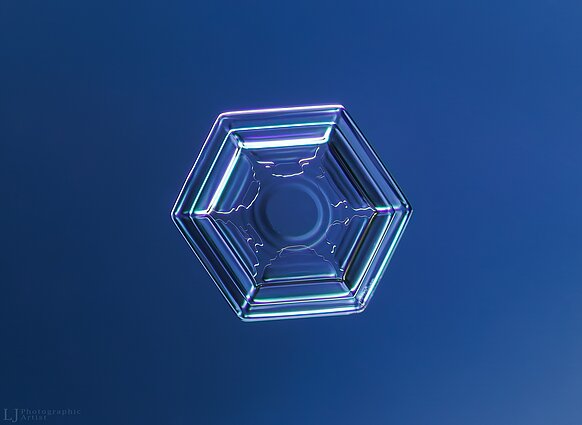
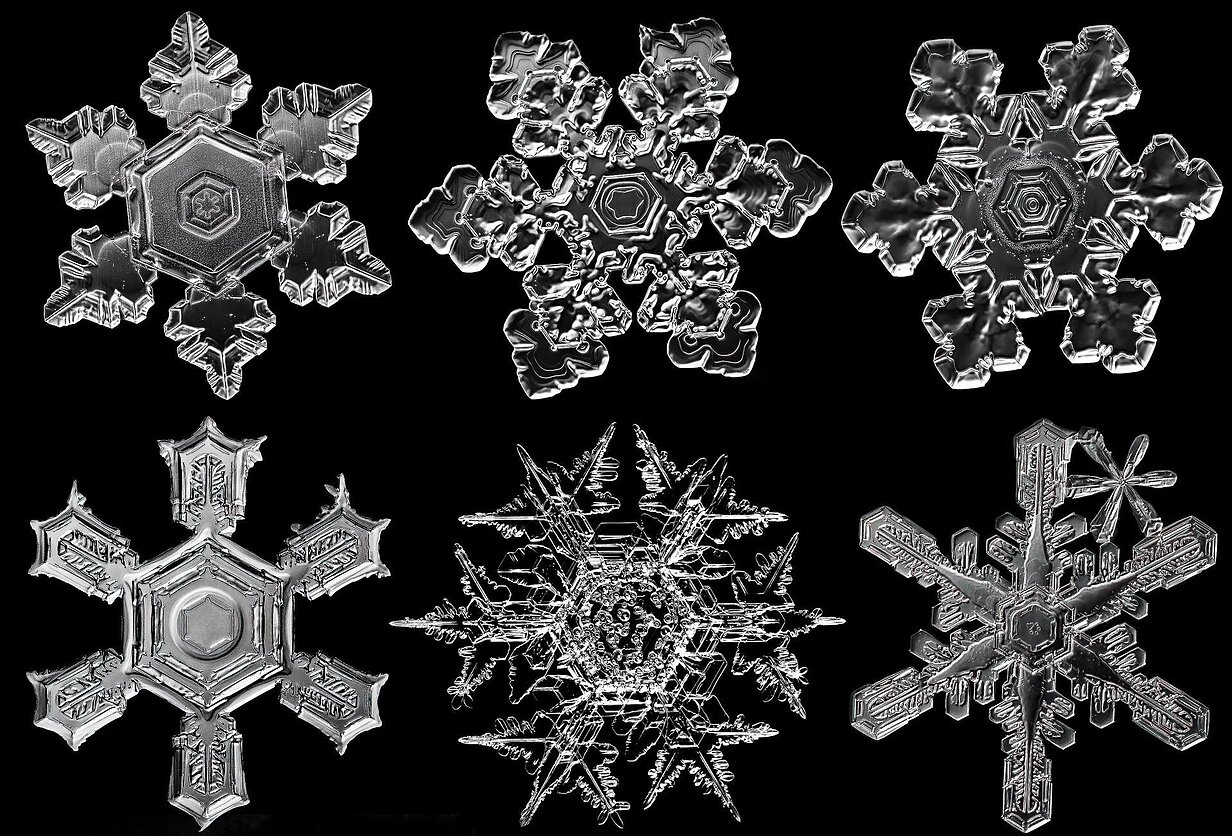
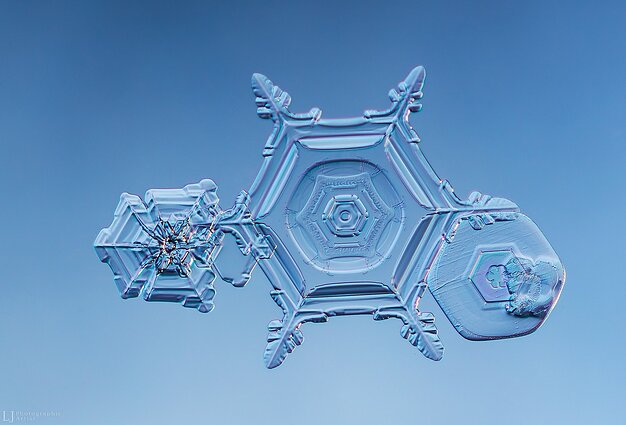
“This is one of the tiniest snowflakes I have ever captured, it’s simply not technically possible to photograph them any closer,” he said. “These hexagonal snowflakes are quite special and uncommon. They are most often seen when it is extremely cold, -15 degrees Celsius or colder. It is an example of absolute perfection in nature.”
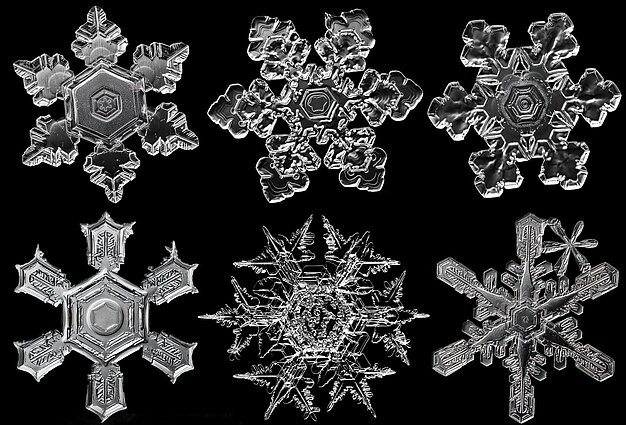
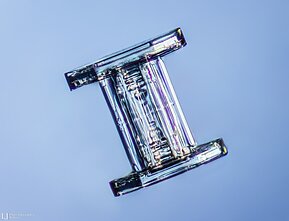
Not all snowflakes resemble the symmetrical paper cutouts many remember from school. When temperatures drop below -5 C, slender column- and needle-shaped crystals often fall instead.
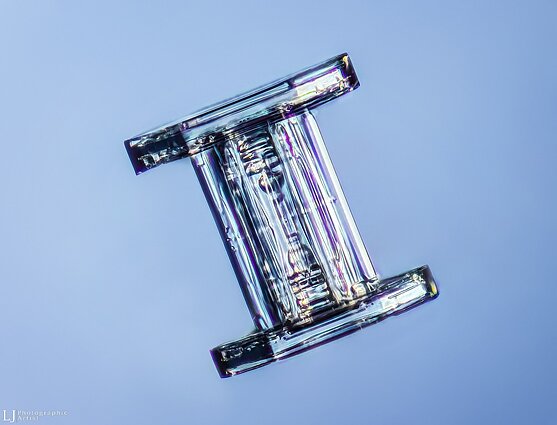
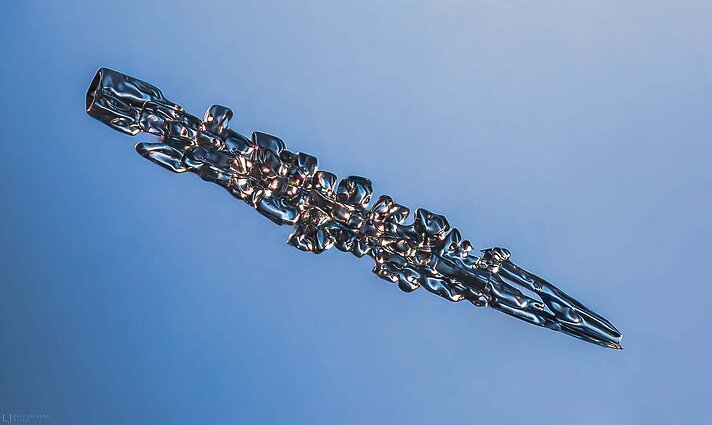
Some flakes even appear to have smaller “offspring” attached, creating complex multi-crystal formations.
Asked whether he believes the popular saying that no two snowflakes are exactly alike, Jonaitis said he remains cautiously sceptical.
“I neither believe it nor disbelieve it,” he said. “I’ve read that mathematically it’s possible, but in practice the probability is so small that one could say it’s impossible.”